
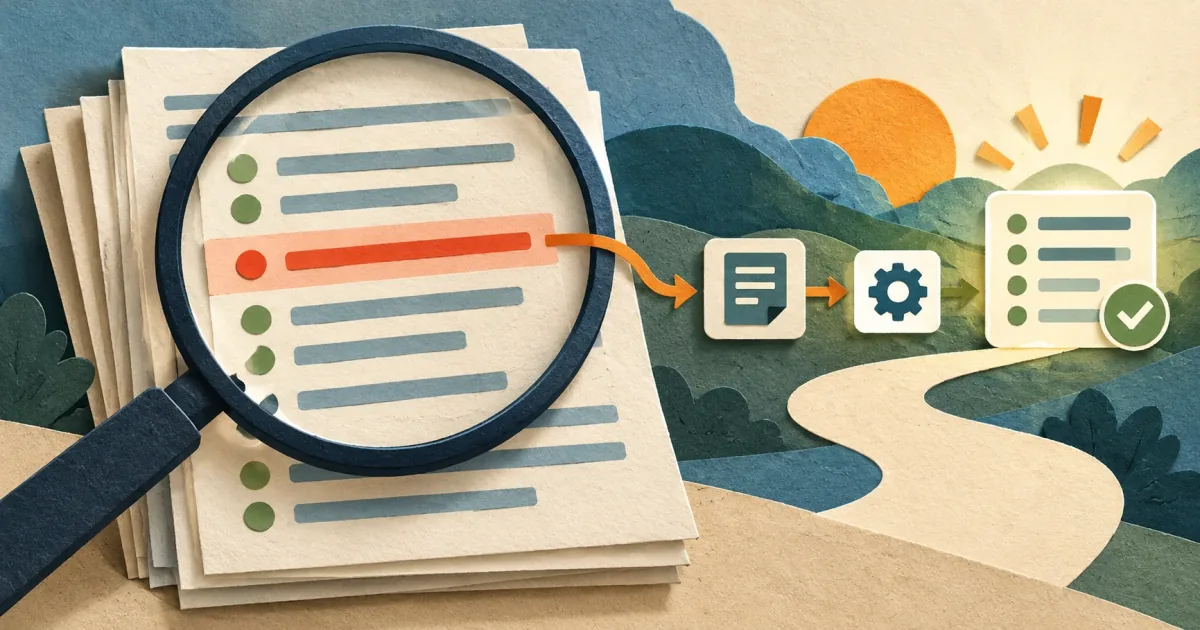
Match the control to the exposed data
Stabilize the immediate problem first, then use repeatable steps that still work in a difficult month.
- Stabilize
Save the breach notice, incident dates and categories of information
- Build
Secure email, financial and phone accounts that could enable account takeover
- Check
Place and record freezes or alerts directly with official providers
“Your data was exposed” is not one risk. A password leak, payment-card leak and Social Security number leak call for different controls.
Read the incident details
Confirm the sender independently, affected organization, date range and specific information involved. Beware of links in breach-themed messages; reach the company through a known website or statement.
| Exposed information | Immediate control |
|---|---|
| Password | Change it everywhere it was reused and secure the email account. |
| Payment card | Contact the issuer and monitor transactions. |
| Government identifier | Consider freezes, report review and identity-theft monitoring. |
| Medical information | Review insurer explanations and provider accounts. |
Understand the offered monitoring
Check duration, bureaus covered, renewal terms, data collected and whether enrollment requires payment information. An alert service does not prevent every account opening and does not replace reviewing existing accounts.
Keep a control log
Record freeze confirmations and secure PINs, reports reviewed, passwords changed and contacts made. Do not store this log in the same compromised email without added protection.
Respond to evidence, not fear
If an unknown account or transaction appears, contact the institution, preserve records and use the identity-theft recovery process. Do not dispute legitimate activity simply because it occurred near the breach.
Match protection to the data that was exposed
List the organization, incident date, confirmed data types and source of the notification. An exposed password calls for credential changes and account review; exposed identity data may justify stronger new-account controls. Do not rely on a link in an unexpected breach message. Reach the organization through a known site or published contact.
Keep a response log covering password changes, freezes or alerts, report checks and unfamiliar activity. Monitoring can notify you after a change, but it does not block every misuse. Review existing bank, card, tax and insurance accounts where relevant. Preserve suspicious messages and transaction records before disputing them, and avoid placing sensitive identifiers into an unverified monitoring offer.
Continue without undoing the recovery
Scope and sources
This guide provides a decision framework, not a prediction or individualized recommendation. Rules vary by contract and jurisdiction. Verify deadlines and remedies with the relevant official agency, regulator, policy and qualified professional.
Editorial review: Important claims are checked against the sources above under our published methodology.