
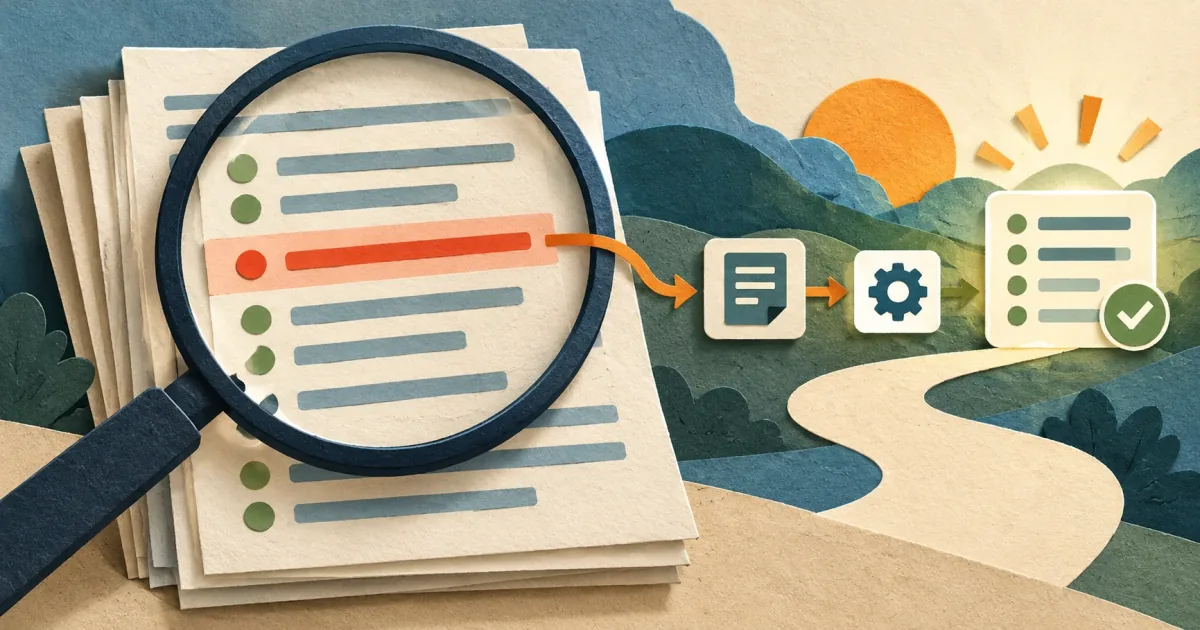
Build the recovery in this order
Stabilize the immediate problem first, then use repeatable steps that still work in a difficult month.
- Stabilize
Confirm the account, month, status and balance on each report
- Build
Stabilize future due dates with a realistic payment system
- Check
Review utilization, errors and new applications without expecting instant score changes
There is no legitimate way to erase accurate negative information on demand. Recovery comes from correcting errors and building a newer pattern of on-time, affordable use.
Verify what was actually reported
Check the creditor name, account number, month, payment status and balance on each bureau report where the item appears. If the account was placed in a hardship or forbearance arrangement, compare the written terms with the reported status.
Prevent a second late payment
- List every minimum, due date and payment account.
- Move due dates only after confirming when the change begins.
- Use reminders or autopay only when the funding account is reliable.
- Keep a small buffer for processing delays and irregular essentials.
Work on separate score factors separately
Payment history and revolving utilization are not the same problem. Lowering a reported card balance may change utilization faster, but it does not remove a correct late payment. Avoid opening several new accounts simply to chase a score.
Confirm all minimums cleared, check statement balances against limits, review reports for unexpected changes and record any dispute result. Track facts, not a promised number of score points.
Reject false shortcuts
Do not file an identity-theft report for a debt you recognize or dispute accurate information merely because it is negative. Avoid anyone promising a new credit identity, guaranteed deletion or a specific score increase.
Stabilize the system that caused the missed date
Reconstruct the month of the late payment. Note the due date, statement delivery, autopay setting, bank balance and any returned or partial payment. This distinguishes a one-time disruption from a recurring cash-flow or reminder problem. If the reporting is inaccurate, preserve the account records before disputing it.
For accurate history, focus on controls you can repeat: one calendar, alerts several days before due dates, a protected payment account and a weekly balance check. Review all accounts, not only the one that became late. New applications or expensive products do not erase history. Progress is better measured by months without a new missed payment and declining revolving balances.
Continue without undoing the recovery
Scope and sources
This guide provides a decision framework, not a prediction or individualized recommendation. Rules vary by contract and jurisdiction. Verify deadlines and remedies with the relevant official agency, regulator, policy and qualified professional.
Editorial review: Important claims are checked against the sources above under our published methodology.